Luxury House Trends in the UK: What High-End Buyers Want in 2026
December 4, 2025
Luxury living in the UK has dramatically evolved over the past few years. Investors, buyers, and developers of luxury houses have been serious and spending big money to accommodate the new trends. Today’s homeowners are no longer just led by aesthetics, square footage, and more bedrooms and bathrooms. They want their homes to enable their lifestyle, enhance their wellbeing, reduce their carbon footprint, and feel beautifully made – inside and out.
Buyer expectations are shifting towards a more informal sense of luxury in a calm style at Luxury House Builders. There is now a greater emphasis on quality, experience and long-term value. In the section below, we survey the UK luxury market trends of 2026 and what today’s luxury buyers really want in their next home.
1. Wellness Architecture Is No Longer Optional.
Each passing year, the importance of wellbeing in luxury home design continues to gain momentum. More and more homeowners are designing entire properties around health, recovery and balance instead of treating wellness as an add-on.
The most requested features include.
Private spa suites with saunas, steam rooms, or plunge pools.
Yoga and meditation rooms.
Cold therapy zones.
Fully equipped home gyms.
Maximising natural light with smart glazing and layout.
Indoor air purification and oxygenation systems.
People love to purchase a home that offers relief – a space where all stress melts away. Wellness architecture is one of the most impactful forces in high-end design.
2. Smart Homes That Feel Effortless, Not Overwhelming.
Technology has matured. Luxury homeowners now want their systems to be unified and seamless, meaning they work toward the same goal and blend visually.
Popular trends.
Whole-home automation controlled from a single interface.
Circadian lighting that follows natural daylight rhythms.
Sophisticated protection, such as perimeter CCTV and smart gates.
Discreet in-wall or ceiling speakers.
Air quality sensors that monitor and respond automatically.
Climate control that adjusts based on room usage.
The goal is hassle-free living in smart homes that anticipate needs without being meddlesome. Buyers of luxury homes want technology to enhance, not overpower, their homes.
3. Sustainable Luxury & Energy Efficiency Are High Priorities.
Luxury and sustainability are no longer contradictory. Some of the most exclusive homes in the UK are the most environmentally advanced, in fact.
Buyers are increasingly prioritising.
High levels of insulation and airtightness.
Solar panels paired with battery storage.
Ground or air source heat pumps.
Mechanical ventilation with heat recovery (MVHR).
EV charging points.
Irrigation asset and drought-resistant landscaping.
Due to rising energy costs, environmental consciousness, and long-term efficiency, sustainable construction is going mainstream, and luxury homes are being designed with future-proofing in mind.
4. Statement Architecture with Calm, Minimalist Detailing.
The look and feel of luxury homes in Britain now favour clean lines, natural materials and strong architectural proportions.
What high-end clients are choosing.
Slimline glazing systems that maximise light and views.
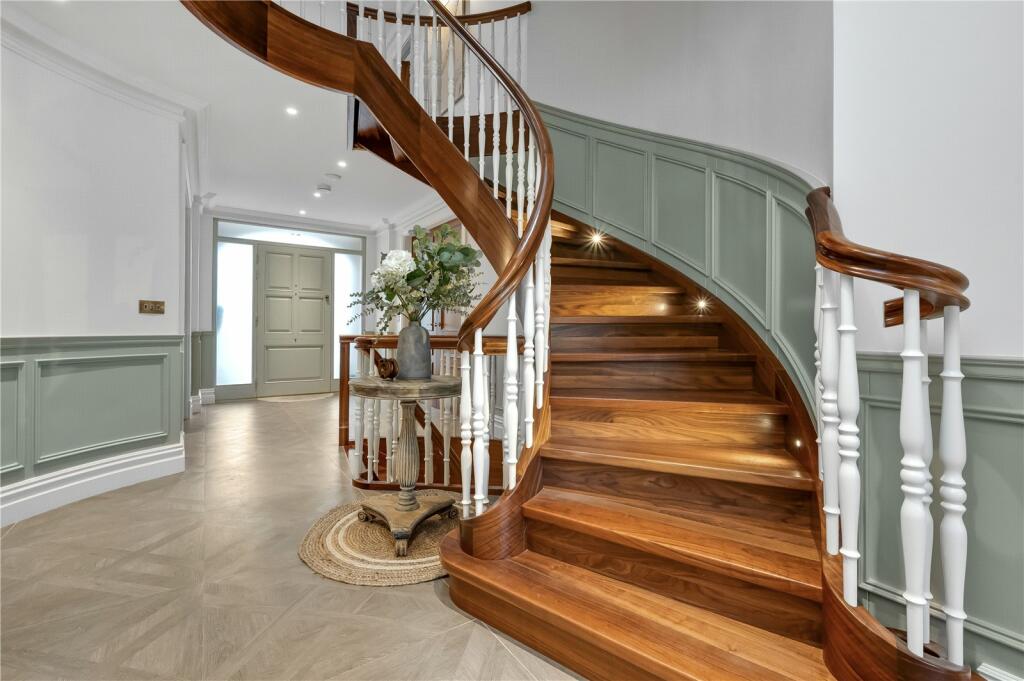
Double-height voids and dramatic staircases.
Natural stone, timber and microcement finishes.
Large-format tiles and textured surfaces.
Minimalist façades with balanced symmetry.
Passive design strategies that reduce overheating.
Homes designed for 2025 favour tranquillity and precision. Architectural design is timeless, elegant and sophisticated yet simple and not loud.
5. Kitchens Designed for Hosting, Living and Everyday Luxury.
The heart of the home is even more relevant; luxury buyers want their kitchens to work hard on various levels.
Current demand includes.
Two kitchens: a statement kitchen and a functional kitchen.
Walk-in pantries for organisation and storage.
Stone-wrapped islands and splashbacks.
Bespoke joinery with concealed appliances.
Professional-grade ovens, fridges and wine displays.
There are Large open-plan kitchen/dining/living areas for entertaining.
In high-end builds, kitchens are as functional as they are breathtaking, practical enough for everyday use and impressive enough for guests.
6. Hotel-Style Bedrooms and Dressing Suites.
Today’s luxury homeowners are increasingly focused on having private spaces. Nowhere is this more apparent than in the main bedroom suite. Comfort, atmosphere and craftsmanship all matter.
Key trends.
Oversized primary bedrooms with seating areas.
Bespoke walk-in dressing rooms.
Boutique-hotel-inspired bathrooms.
Natural stone sinks and freestanding baths.
Ambient, layered lighting for relaxation.
High-quality finishes of microcement, marble and timber.
The private spaces of luxury homes are equally, if not more important than their social spaces. Luxury homeowners often seek high-quality finishes that transport them to a five-star hotel.
7. Outdoor Living Becomes a Year-Round Experience.
A luxury house in Surrey, Berkshire, Hertfordshire, and Buckinghamshire now features outdoor space as one of its most valuable components.
In 2026, the most in-demand features include.
Fully equipped outdoor kitchens.
Swimming pools and pool houses.
Covered terraces for year-round dining.
Fire pits and lounge zones.
High-end garden rooms used as gyms or offices.
Architectural landscaping with layered lighting.
Water features and structured planting.
Houses are becoming less and less defined, as outdoor living merges with indoor living.
8. The Rise of Entertainment Basements & Experience Rooms.
High-end buyers want homes that suit every aspect of their lifestyle. People are now using basements as experience-led environments rather than merely as utility spaces or storage areas.
Popular additions include.
Home cinemas.
Games rooms.
Golf simulators.
Bars and lounge spaces.
Wine cellars.
Music studios.
Spa suites.
Cold plunge rooms.
Gyms.
Reshaping the home into a destination, they offer experiences one would get in a luxury hotel or a private members’ club.
9. Multi-Generational Living and Flexible Layouts.
Custom-built homes that allow for the integration of multiple generations and support extended families. Home buyers are looking for homes that cater to two or more generations and changing life stages.
Trending inclusions.
Self-contained annexes for parents or older children.
Ground-floor bedroom suites.
Independent living wings.
Rooms that can easily be transformed into nurseries, offices or chill-out areas.
Layouts are becoming more intelligent, providing equal privacy and togetherness.
10. Craftsmanship and Authentic Materials Take Centre Stage.
There is a refreshing change within the luxury space, away from “loud luxury”, with buyers embracing authenticity and craftsmanship.
They want.
Joinery that feels handmade.
Stone that ages naturally.
Materials that have texture, warmth and longevity.
High-quality finishes that stand the test of time.
The most luxurious homes in 2026 aren't the ones filled with gadgets; they are the ones designed and built with love, attention to detail, and craftsmanship.
Luxury in 2026 is To Be Quiet, Intuitive and Intentional.
The definition of luxury has matured. High-end homes of today are designed to enhance wellness, simplify daily life and provide long-term value—locations that combine intelligence and sustainability with expert crafting, where every detail is intentional.
Homeowners who are considering building in 2026 and afterwards should recall the word balance.
wellness, design, sustainability, purposeful technology, and craftsmanship
Luxury House Builders operates under principles that guide both it and the work it does. Our team builds and designs homes that offer extraordinary living experiences. These homes stay timeless for a few decades.
Recent Blogs
- How Much Does It Cost to Build a Luxury House per Square Metre in the UK? (2026 Guide)
- Building a Basement in London: Costs, Planning and What to Expect
- What Adds the Most Value to a Luxury Home in London?
- What Impacts the Cost of a Bespoke Home Build?
- 10 Mistakes to Avoid When Building Your Dream House